Region
Armavir
107 wines in the catalogue
Independent guide to Armenian wine
Estate
Own grapes, own winemaking and bottling — all confirmed by sources
getwine's classification, not a legal or tax status · How we classify →
Small producer
Small output: up to 100,000 litres a year (about 133,000 bottles). Group-owned and state-owned producers do not receive this label.
getwine's classification, not a legal or tax status · How we classify →
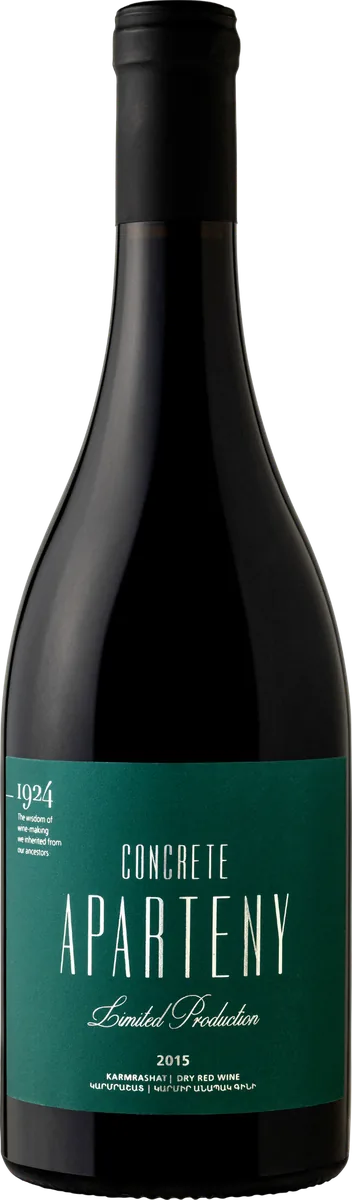
Armavir · Dry
Only you can see your marks and ratings.
Made at Aparteny. Region of Armavir: a dry red wine from Karmrashat. The classic method, ageing in a neutral vessel, 12% alcohol. As described by sources: on the nose, mineral.
What the bottle actually is.
Comparable values, collected the same way for every wine in the catalogue. Anything we do not know is left empty.
Grape varieties
How to serve it, and what to expect in the glass.
Glass
Tall bowl with a narrowing rim: gathers the aroma and softens the alcohol — the shape for dense, tannic reds.
How glass shapes differWhat it costs, where, and how that moved.
Offers on record
1 shop
2 November 2026
Price among similar wines
24 comparable bottles
Cheaper than similar wines
Comparables share colour, sweetness and producer model: estates, négociants, cooperatives, or all other producers. Price is a reference, not a quality score.
Shelf price over time
From 17 September 2026 to 1 November 2026. The series ends on the figure this page quotes.
About these figures
The median of the shops above is the price quoted everywhere on this page. Each price carries the date it was collected; shop names open the shop's own listing.
Who made it, and what they are.
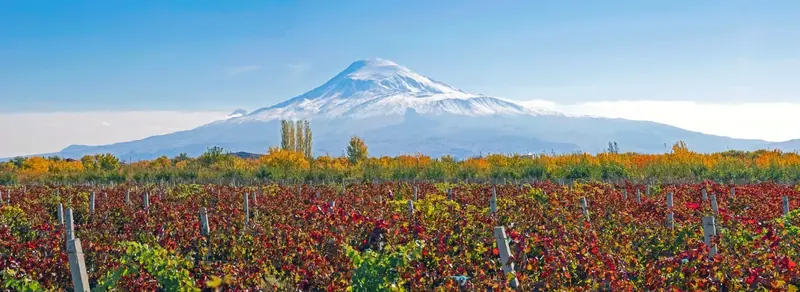
Where the grapes were grown.
On the map
All regionsRegion
107 wines in the catalogue
Medals, with the competition and the year attached.
A medal on its own is decoration. Each one here carries the competition, the year and the weight of that competition.
No awards on record
We do not invent recognition. When a competition publishes results for this wine, they appear here with the year and the weight of the competition.
The season, vintage by vintage.
What the season was like in the Armavir region compared with the previous decade.
unusually many days above 35 °C: in such heat ripening stalls and berries burn
a drier September than the previous ten
This wine has no appellation on record, so the weather is taken for the region and describes the wider area. Weather explains what the season was like; it does not rate the wine or say when to open it.
How vintage weather is calculatedClose in style, not in price.
Matched on colour, sweetness, grape and region, and — where recorded — on tannin, aging vessel and technology. One wine per winery, none from this wine's own winery. Price plays no part, and no place is for sale.
Every claim on this page has a source.
Sources on this page
Glassware, serving temperature, food and occasion are derived from the wine's style by catalogue rules. They are labelled as such wherever they appear.
Producers can respond
Aparteny can answer anything on this page. Responses are published next to the claim they answer.
If a figure here is wrong, the methodology page explains how we source, date and correct it.