
Pay for the wine, not the label.
Who grew the grapes, who bottled the wine, what its medal is really worth and what shops charge for it — across 437 bottles in the catalogue.
Vineyards near Khor Virap, Ararat Valley · photo: Maks Karochkin / Wikimedia Commons, CC BY 2.0
Not sure what to pick? Answer three plain questions.
No tasting notes dressed up as poetry. You get three to five bottles, each with the reason it was chosen for you.
Your bottles
3 of 437
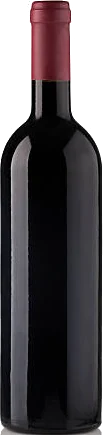
Areni
4990 ֏Darbin
Dry
RedBest match: Producer model confirmed: Estate
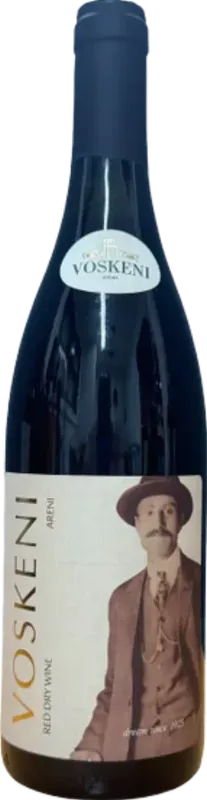
Areni
5600 ֏Voskeni
Dry
RedAlso considered: Producer model confirmed: Estate
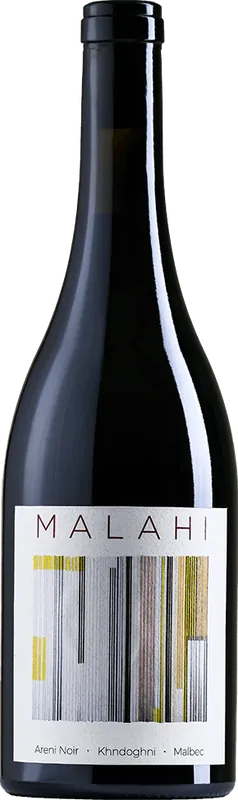
Malahi Red
5460 ֏Maran Winery
Dry
RedAlso considered: Producer model confirmed: Estate
Every suggestion links back to the facts behind it.
Filter it like a buyer, not like a sommelier.
Colour, sweetness, karas versus European technology, region and price — every row is comparable because every row was collected the same way.
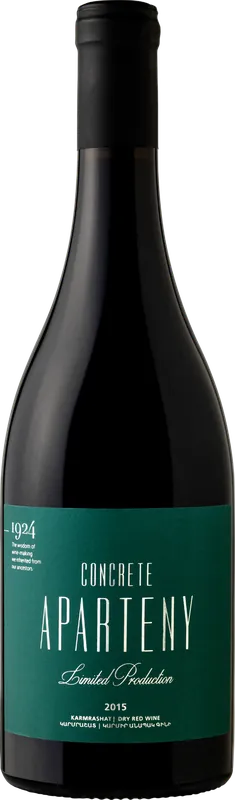
Concrete
Aparteny
Armavir
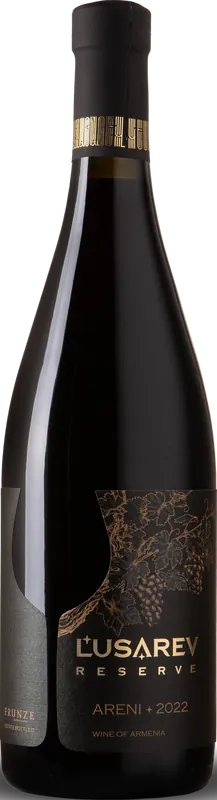
Reserve
Lusarev
Vayots Dzor
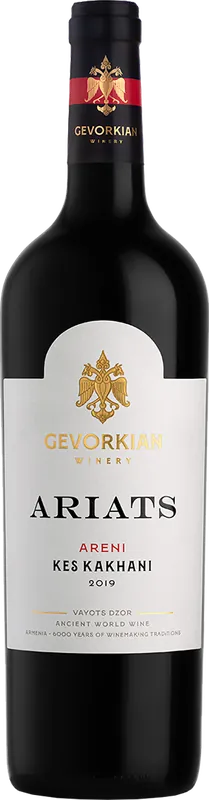
Kes Kakhani
Gevorkian Winery
Vayots Dzor
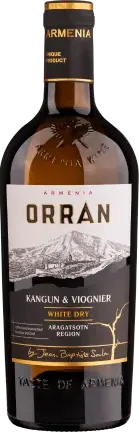
Orran White Dry
Armenia Wine
Aragatsotn, Armavir
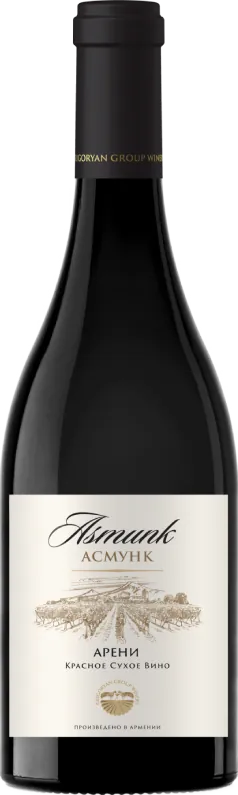
Areni
Grigoryan Group
Vayots Dzor
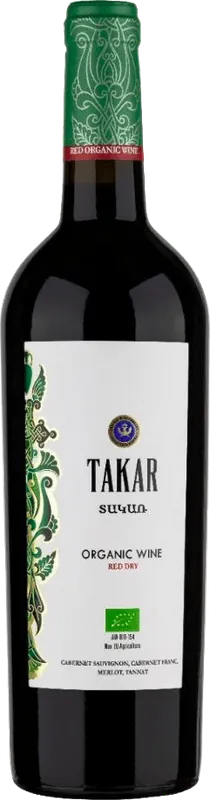
Takar Organic Red Dry
Armenia Wine
Aragatsotn
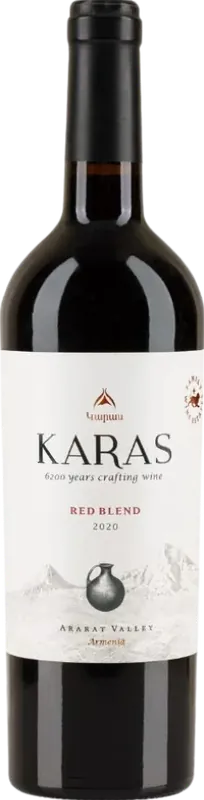
Red Blend
Karas Wines
Armavir
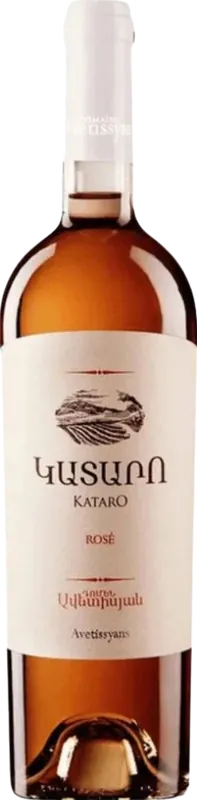
Rosé
Kataro
Vayots Dzor
Showing 8 of 437 wines catalogued · prices from public shop listings, each with its date
Shortlists we maintain for you.
Curated sets from the catalogue, refreshed as the data changes. Nothing here is sponsored.
 Illustration
Armenian rosé wines
Rosé wines from Armenian producers, still and sparkling.
Open collection Illustration
Dry Armenian reds
Areni, Haghtanak, Kakhet and other dry Armenian reds.
Open collectionDry Armenian whites
Voskehat, Kangun and other dry Armenian whites.
Open collectionWines from small family wineries of Armenia
Wines from producers that the getwine classification lists as small family wineries. Criteria are in the methodology.
Open collection6 regions, one honest map.
Where the wine comes from decides what it can taste like. Move across the map — each region shows how much of the catalogue sits behind it, including the regions where we have almost nothing yet.
Wine regions
6
- fewer winesmore wines
- Region in focus
Vayots Dzor
162 winesMain grapes: Areni, Voskehat, Khatun Kharji
A verdict is only worth the sources behind it.
Every claim on this site carries a citation. Where the record is thin, we say so instead of filling the gap with a tasting note.
Technology
Karas or European vessel, as declared by the producer — with the source of each claim next to it.
Where the fruit came from
Own vineyards, contract fruit and bought wine are three different businesses. We label each one differently.
What a medal is worth
Which competition, which year, how heavy its weight class. A medal without that context is decoration, not evidence.
What shops charge
Prices sampled from public shop listings, each with its date, so “expensive” is a number you can check rather than a feeling.

Sources behind a wine page
- 1. Wine agency register
- 2. Producers' own sites
- 3. Public shop listings
- 4. Competition results
Producers can respond to any verdict. Responses are published next to the claim they answer.
New in the guide
Where to taste it, not just read about it.
Festivals and tastings across the country, listed with venue and organiser so you can find them on the ground.
Classifications are based on public data with cited sources. Producers can respond via the methodology page.