Vintage years
The 2015 harvest
Season weather by region, compared with the previous ten years.
2015
season complete- Zones5
- Wines in catalogue2
In brief
The 2015 season in brief
- Vayots Dzor: warmer than the previous ten years here; a drier September than the previous ten; unusually many days above 35 °C.
- Armavir: warmer than the previous ten years here; a drier September than the previous ten; unusually many days above 35 °C.
- Ararat: warmer than the previous ten years here; a drier September than the previous ten; unusually many days above 35 °C.
- Aragatsotn: warmer than the previous ten years here; a drier September than the previous ten; unusually many days above 35 °C.
- Tavush: warmer than the previous ten years here; a drier September than the previous ten.
Compared with each region's 2005–2014 mean. ERA5-Land and ERA5 reanalysis, Copernicus Climate Change Service (C3S), CC BY 4.0. Weather, not a rating of the wine.
Zone by zone
The 2015 season zone by zone
The season zone by zone: the region as a whole first, then its appellations. Each is compared with its own mean over the previous ten years.
Only the unusual is coloured: warmth and September rain are compared with each zone's mean over the previous ten years; a frost means a minimum of −2 °C or lower after 10 April. An uncoloured indicator means “as usual”, a dashed one means no data. Tap an indicator for the full sentence; the figures by region are in the table on the vintage years page.
Vayots Dzor
Vayots Dzorwhole region
heat
unusually many days above 35 °C: in such heat ripening stalls and berries burn
dry September
a drier September than the previous ten
no frost
no spring frost down to −2 °C after 10 April
Armavir
Armavirwhole region
heat
unusually many days above 35 °C: in such heat ripening stalls and berries burn
dry September
a drier September than the previous ten
no frost
no spring frost down to −2 °C after 10 April
Ararat
Araratwhole region
heat
unusually many days above 35 °C: in such heat ripening stalls and berries burn
dry September
a drier September than the previous ten
no frost
no spring frost down to −2 °C after 10 April
Aragatsotn
Aragatsotnwhole region
heat
unusually many days above 35 °C: in such heat ripening stalls and berries burn
dry September
a drier September than the previous ten
no frost
no spring frost down to −2 °C after 10 April
Tavush
Tavushwhole region
warmer
warmer than the previous ten years here
dry September
a drier September than the previous ten
no frost
no spring frost down to −2 °C after 10 April
In the catalogue
Wines of 2015 in the catalogue
2 wines of 2015 in the catalogue. Vintages are producer declarations. A year we hold for one bottling says nothing about the rest of the range.
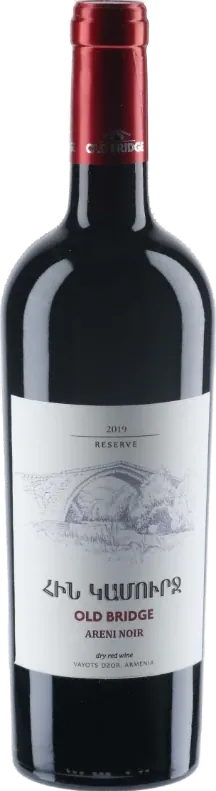
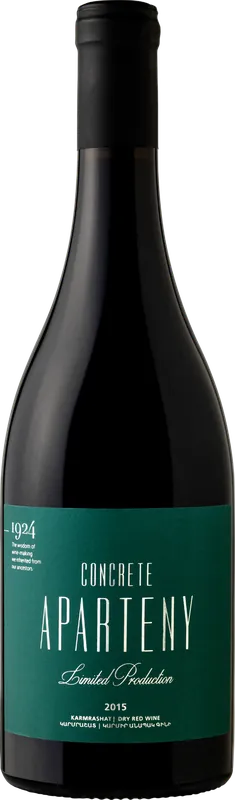
Sources
Where these series come from.
ERA5-Land and ERA5 reanalyses, Copernicus
Temperatures from ERA5-Land, a grid of about 0.1°; precipitation from ERA5, a coarser grid. A gridded model, not weather stations in the vineyards.
Contains modified Copernicus Climate Change Service information 2026. Processed: daily values, elevation adjustment. Licence CC BY 4.0. How the weather is computed
Elevation adjustment: Copernicus DEM GLO-90, produced using Copernicus WorldDEM-90 © DLR e.V. 2010-2014 and © Airbus Defence and Space GmbH 2014-2018 provided under COPERNICUS by the European Union and ESA; all rights reserved.
One grid cell per region
Each region is computed at a single representative point, not as an average of its appellations. The card shows the cell's coordinates and elevation, which can differ from the vineyards'.
Season window
April 1 to October 31. A year is compared with the mean of the previous ten full seasons, provided there are at least eight of them.
About these numbers
Source: ERA5-Land reanalysis, precipitation from ERA5 (Copernicus Climate Change Service) — a gridded model, not weather stations in the vineyards. Years are compared with the mean of the previous ten, not with the 1991–2020 climate normal: the climate has shifted, and against that normal most recent years would read as warmer than usual — true about warming, but not about the year. This is not a rating of wine and not a drinking window: the weather explains what the season was like; what ended up in the bottle depends on picking and on the winery's work.